Agriculture is the backbone of Afghanistan’s economy, contributing roughly one-quarter of its GDP and supporting a large portion of the population, with key staples including wheat, fruits, nuts, and high-value crops like saffron. The sector faces extreme vulnerability to climate change, droughts, and water scarcity, yet it holds potential for growth through improved irrigation, modernized horticulture, and increased investment in farming technology.
Key Agricultural Components
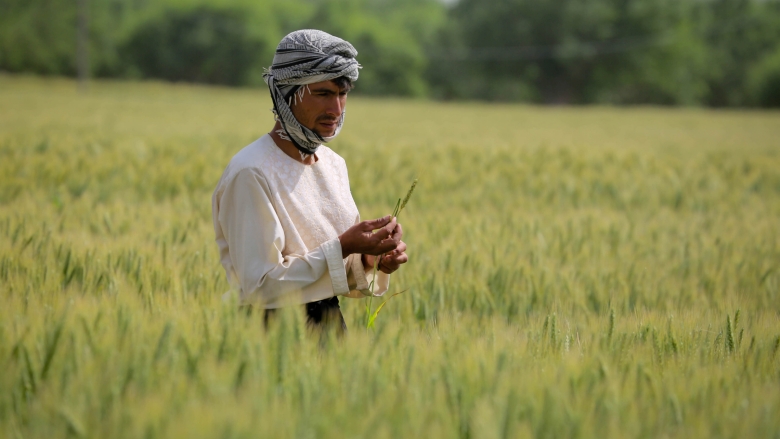
- Main Crops: Wheat is the primary crop, providing over two-thirds of daily caloric intake, with additional production of maize, rice, and barley.
- Horticulture:
Significant production of fresh/dried fruits and nuts (almonds, walnuts, pistachios) and vegetables (potatoes, onions, tomatoes).
- Cash Crops: Saffron, cotton, oilseeds, and vegetables are grown for local and export markets.
- Livestock: Sheep, cattle, goats, and poultry are crucial, with sheep and goat milk making up a significant portion of dairy production.
Challenges and Vulnerabilities
- Climate Change & Drought: Ongoing severe drought, especially in northern and western regions, causes major food insecurity and livestock losses.
- Water Management: Declining groundwater levels and poor irrigation infrastructure limit production.
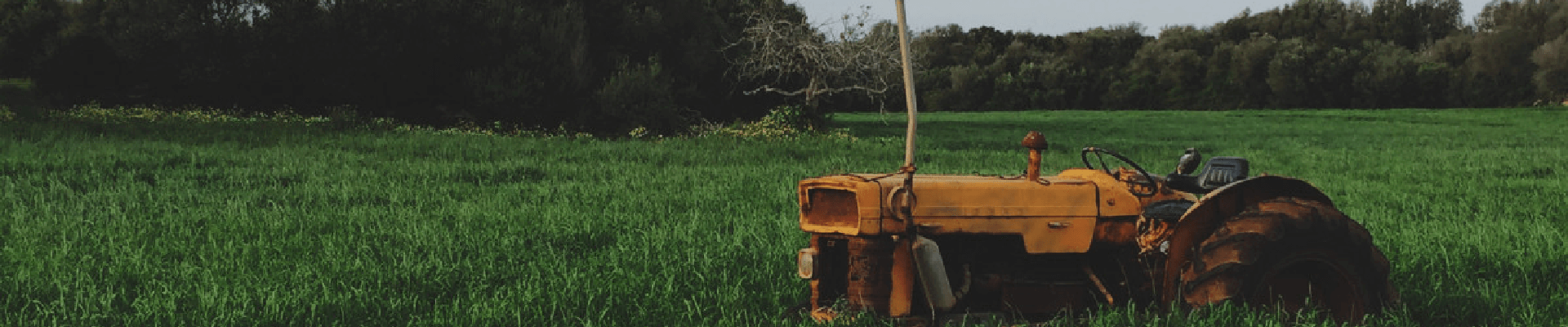
- Infrastructure Issues: Limited access to modern machinery, certified seeds, and cold storage chains hinders productivity.
Development Opportunities
- Irrigation Rehabilitation: Restoring irrigation systems to increase productivity, particularly in the south and west.
- Value Addition: Investing in processing and packaging sectors for fruits, nuts, and dairy.
- Resilient Agriculture: Introducing drought-resistant seed varieties and climate-smart agricultural practices to adapt to water scarcity.
Role of International Aid
Organizations like the FAO in Afghanistan are heavily involved in supporting farming households with wheat cultivation programs, aiding millions, and working to mitigate the impact of climate change through agricultural.

Leave a Reply